

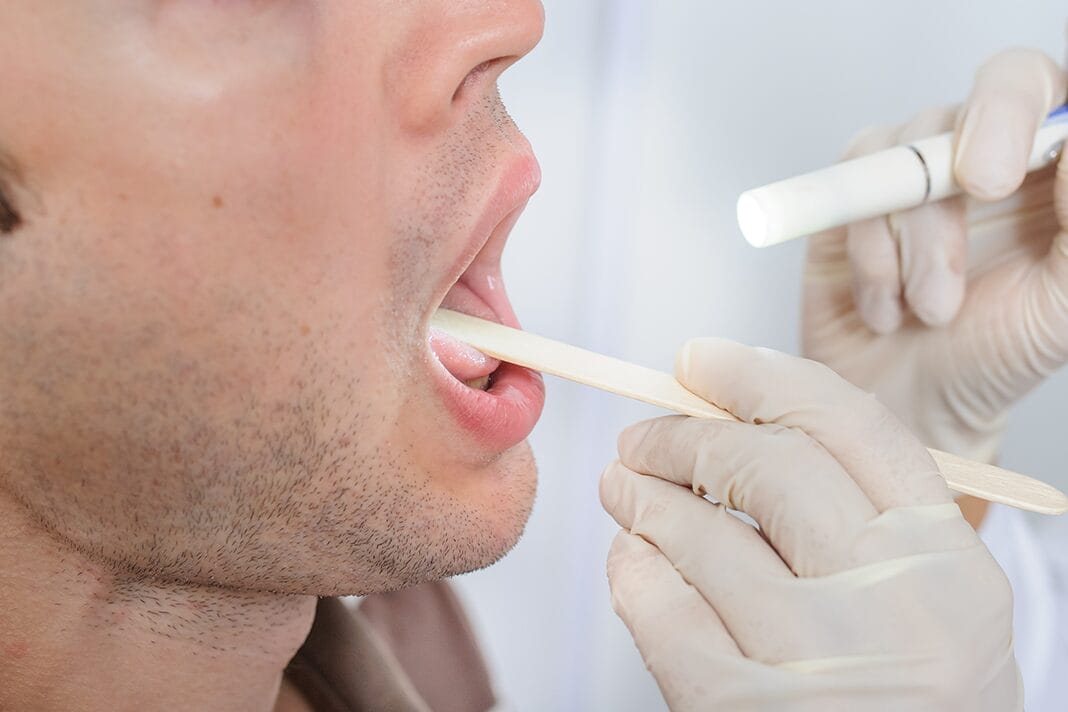
Periodontitis is a significant global public health concern and the most common non-communicable disease (NCD), with its severe form affecting 1.1 billion people worldwide. This chronic inflammatory condition destroys tooth-supporting tissues and, if untreated, progresses to tooth loss. Its consequences include significantly impaired quality of life, increased social inequality, and substantial dental and medical costs.1
The comprehensive treatment of periodontitis is a multi-step process. It begins with professional and patient-based control of supragingival biofilm and risk factor management, typically followed by subgingival instrumentation. For advanced cases, surgical approaches are used, all of which are centered around long-term supportive periodontal care.1
Given the association between periodontitis and other highly prevalent chronic inflammatory NCDs, the European Federation of Periodontology (EFP) held focused workshops with the International Diabetes Federation (IDF) in 2017 and the World Heart Federation (WHF) in 2019 to examine its relationship with diabetes and cardiovascular diseases (CVDs). These workshops identified a crucial role for family doctors (FDs) and oral health professionals (OHPs) to collaborate in managing co-morbid conditions.1
Building on these previous efforts, a third EFP Focused Workshop was organized in Madrid, Spain, in July 2022. This meeting convened 18 experts from the EFP and the European region of the World Organisation of National Colleges, Academies and Academic Associations of General Practitioners/Family Physicians (WONCA Europe) to review existing systematic reviews and consensus reports, as well as a specifically commissioned systematic review on periodontitis and respiratory diseases. Their goal was to define best practices for FDs and OHPs in the collaborative management of NCDs and the promotion of healthy lifestyles.1
The summary provides an overview of the consensus report, focusing on the independent association between periodontitis and NCDs, including CVDs, diabetes, and various respiratory conditions.1
The Results
Cardiovascular Disease
The independent association between CVD and periodontitis is proposed to stem from two primary mechanisms: the chronic entry of pathogenic periodontal bacteria into the bloodstream (bacteremia) and the resultant systemic inflammatory sequelae, and the increased systemic inflammation due to periodontal lesions. Both conditions also share multiple common genetic and environmental risk factors, such as tobacco use.1
Epidemiological evidence indicates an association between periodontitis and an elevated risk of coronary heart disease, peripheral artery disease, and cerebrovascular disease (e.g., ischemic stroke). Notably, people with severe periodontitis exhibit a 2.2-fold higher rate of experiencing an ischemic stroke. Periodontitis is also associated with higher mortality rates from coronary heart disease and cerebrovascular disease, an increased risk of a first cardiovascular event, and a higher incidence of atrial fibrillation.1
While direct evidence of periodontal treatment benefits on complex cardiovascular outcomes is lacking, improvements have been observed in surrogate measures of CVD, such as arterial blood pressure and stiffness, as well as subclinical cardiovascular disease markers.1
Based on robust association and emerging data on surrogate markers, the workgroup established guidance for FDs. FDs should routinely ask patients with CVD about signs and symptoms of periodontitis, such as gingival bleeding and tooth mobility. If symptoms are present, they should recommend a periodontal evaluation.1
Guidance and information for OHPs:
- Advise on risk: Inform patients that an increased risk of CVD is associated with periodontitis. Emphasize and counsel on risk factor control (e.g., smoking cessation, weight management).
- Screen and refer: Screen for common CVD risk factors. If risk factors are identified, advise on control and refer the patient for consultation with their FD.1
Guidance and information for FDs:
- Safety of treatment: Delivering periodontal treatment is generally safe regarding cardiovascular risk in patients with established CVD.
- Timing after acute events: Patients with a recent CVD event should receive periodontal treatment as soon as their cardiovascular status permits. Consultation with the treating cardiologist is advised.
- Minimizing inflammation: To minimize the documented spike in C-reactive protein resulting from treatment-generated bacteremia, non-surgical periodontal treatment should be delivered in multiple 30–45-minute sessions, regardless of CVD severity or specific medications.
- Surgical considerations: Surgical and implant treatment should follow standard protocols for patients with CVD. Attention to hypertensive status and management of antiplatelet and anticoagulant medications may be necessary.1
Diabetes
The mechanisms associated with periodontitis and type 2 diabetes include bacteremia, vascular inflammation, systemic oxidative stress that negatively impacts beta-cell function, and systemic inflammation. The association is bidirectional and supported primarily by evidence concerning type 2 diabetes. Consequently, the report notes a gap in the scientific evidence regarding the association between periodontitis and type 1 diabetes, as most studies focused on people with type 2 diabetes.1
The mechanisms thought to contribute to adverse periodontal outcomes due to hyperglycemia in patients with type 2 diabetes include exaggerated systemic inflammation, reduced neutrophil functional efficiency, frequency of glucose intake on systemic inflammation, unbalanced T helper-1, -2, and -17 cell responses (a type of unbalanced immune response), and advanced-glycation end product formation, inhibiting periodontal wound healing.1
Epidemiological evidence indicates that poorly controlled diabetes increases the risk and severity of periodontitis. Conversely, severe periodontitis is associated with elevated serum HbA1c levels in people without diabetes and those with diabetes (hyperglycemia). Evidence suggests that periodontitis also increases the risk of developing prediabetes and diabetes. Additionally, there is a direct association between the severity of periodontitis and complications of diabetes, such as retinopathy, nephropathy, neuropathic foot ulcerations, various CVDs, and mortality.1
Progression of periodontal disease over 5 years is significantly lower in patients with good glycemic control than in those with poor glycemic control. Evidence indicates that periodontal treatment improves glycemic control and inflammatory biomarkers, even in patients with poor glycemic control. A Cochrane review found a clinically meaningful and statistically significant reduction in HbA1c levels of 0.3% at 6 months and 0.5% at 12 months after periodontal treatment in patients with type 2 diabetes. This HbA1c reduction is similar to that achieved by adding a second medication to a metformin regimen. This finding suggests periodontal treatment is a relevant intervention for patients with both periodontal disease and type 2 diabetes.1
The consensus found that there is a need to raise awareness among healthcare professionals and patients regarding the impact of periodontitis on diabetes. Poor glycemic control has been shown to worsen periodontal disease and impair healing following periodontal treatment, while periodontitis can make diabetes more difficult to manage. Effective two-way communication between FDs and OHPs is essential for collaborative patient care in type 2 diabetes.1
A proper periodontal diagnosis requires a clinical exam by a trained dental professional. Recognizing its importance, NHS England issued a dental care standard for people with diabetes in 2019. In 2022, the National Institute for Health and Care Excellence (NICE) added periodontal treatment to recommended diabetes care.1
FDs are encouraged to assess periodontal disease risk in patients with prediabetes or type 2 diabetes and refer them to OHPs when needed. In parallel, OHPs are encouraged to diagnose and treat existing periodontal and peri-implant conditions according to established guidelines. OHPs should receive training in risk assessment and referral protocols for patients with type 2 diabetes.1
Guidance and information for OHPs:
- Educate and advise: Advise patients with diabetes about the increased risk of periodontitis and its negative impact on glycemic control.
- Screen and refer: Screen patients for diabetes risk and refer them to an FD for formal diagnosis when appropriate.1
Guidance and information for FDs:
- Patient education: Advise patients that poor glycemic control increases periodontitis risk and that unmanaged periodontitis can contribute to poor glycemic control and diabetic complications (including emerging evidence on peri-implantitis risk).
- Impact of treatment: Emphasize that periodontal treatment has been shown to improve glycemic control and is associated with a reduced risk of diabetes-related complications. For patients diagnosed with periodontitis, advise that improving glycemic control may improve periodontal treatment outcomes.
- Referral and compliance: Discuss these points with patients who have not had an oral exam. Refer patients with type 2 diabetes to the oral healthcare team for regular assessments and encourage patients with periodontitis to maintain regular dental appointments.1
Respiratory Diseases
Multiple hypotheses have been proposed to explain the association between respiratory diseases and periodontitis. These mechanisms include: aspiration of periodontal pathogens exacerbating pulmonary inflammation and endothelial dysfunction, low-grade systemic inflammation associated with periodontitis and biofilm dysbiosis, and the impact of cytokines on pulmonary epithelial cells. Additionally, both conditions share risk factors, such as smoking, obesity, and diabetes.1
Epidemiological evidence suggests an association between periodontitis and an increased risk of chronic obstructive pulmonary disease (COPD). A meta-analysis found that people with periodontitis had 1.33 times the odds of having or developing COPD compared to those without. Another meta-analysis showed a 4.94% lower value in a key measure of functional lung capacity, which is considered highly relevant clinically.1
Periodontitis is also associated with an increased risk of obstructive sleep apnea (OSA), with a meta-analysis reporting 1.65 times higher odds of having the condition in those with periodontitis.1
Research further suggests a significant association between periodontitis and more severe COVID-19 outcomes. A meta-analysis found that people with periodontitis had 6.24 times the odds of requiring assisted ventilation and 2.26 times the odds of death.1
The consensus report found that the evidence regarding the association between periodontitis and asthma remains inconsistent, with study limitations complicating the interpretation of findings. Similarly, there was insufficient evidence to establish an association between periodontitis and community-acquired pneumonia (CAP).1
Regarding treatment outcomes, very little evidence was identified on the effects of periodontal treatment for reducing adverse health outcomes associated with respiratory diseases. While one study focused on COPD, no intervention data were found for other respiratory diseases, leaving insufficient evidence to determine the clinical benefits of treatment in this area.1
Guidance and information for OHPs:
- Asthma: Advise patients that certain medications, such as corticosteroid inhalers, may increase the risk of oral conditions.
- OSA: Inform patients of the potential oral health effects of using CPAP/BiPAP machines (e.g., xerostomia, increased inflammation, and increased/altered biofilm formation). Strategies for weight loss and healthy lifestyles can also be recommended.
- Severe COVID-19 history: Be aware of oral consequences, including associated oral lesions and consequences of post-intensive care syndrome (PICS).
- Active COVID-19: Advise separating toothbrushes from co-habitants and consider the use of viricidal mouth rinses.1
Guidance and information for FDs:
- COPD: Refer patients with COPD or those at risk of developing COPD (especially smokers) for an oral/periodontal evaluation, despite limited evidence of treatment benefits.
- Asthma and OSA: Recommend or refer an oral/periodontal evaluation for patients when appropriate.1
Policy and Funding Directives
The consensus report recommends integrating oral healthcare into universal health coverage, noting that this is not yet available in all European countries. Healthcare funders are urged to support collaborative care and embed oral health within NCD agenda and Universal Health Coverage programs, as supported by the recent World Health Organization (WHO) Resolution.1
Key financial and policy recommendations:
- Cost-effectiveness: Evidence for the cost-effectiveness of periodontal treatment in patients with diabetes is emerging, suggesting a significant economic benefit when successful treatment improves health outcomes and reduces associated healthcare costs.
- Funding anomaly: The report calls for addressing the “historical anomaly” in which essential diabetes-related services (e.g., eye and foot care) are state-funded, but periodontal care requires out-of-pocket payment.
- State-funded care: State-funded periodontal examinations and treatment for patients with diabetes and prediabetes are justified on both health and economic grounds.
- Outreach programs: Due to the negative impact of socioeconomic factors on periodontitis and respiratory diseases (specifically COPD), the consensus calls for the implementation of outreach programs to ensure underserved populations have access to appropriate care.1
Conclusion
While the evidence for the association between CVD and periodontal disease is robust when considering epidemiological studies and those with surrogate outcomes, notable gaps remain in current research. However, intervention studies with definitive clinical outcomes are lacking and are unlikely to change due to ethical and logistical constraints.1
Similarly, while the association between diabetes and periodontal disease is well-established, most research focuses on type 2 diabetes, leaving limited evidence regarding the role periodontal treatment plays in type 1 diabetes. Additionally, longer-term results on HbA1c improvements beyond 12 months are still required.1
Regarding CVD, further research is needed to understand the impact of periodontal treatment in systemically healthy population groups, as most intervention studies focus on patients with preexisting comorbidities. Overall, there is limited evidence for the association between respiratory diseases and periodontal disease, particularly regarding intervention outcomes.1
The consensus concludes that periodontitis is independently associated with CVD, diabetes, COPD, OSA, and COVID-19 complications. Treating periodontal disease has been shown to improve glycemic control in patients with type 2 diabetes, while emerging evidence suggests potential benefits for heart and lung health. Emerging evidence also supports the cost-effectiveness of periodontal treatment for patients with diabetes, particularly when improved glycemic control leads to better health outcomes and reduced healthcare costs.1
Despite this, in some European countries, diabetes-related services such as eye and foot care are publicly funded, while patients must pay out of pocket for dental care, a gap that should be addressed. Further, socioeconomic barriers often limit access to care, and outreach programs are needed to reach underserved populations.1
The consensus findings highlight that closer collaboration between OHPs and FDs is central to the early detection and management of NCDs. This includes implementing strategies for early detection of systemic NCDs in dental settings and, conversely, for early detection of periodontitis in medical centers. Furthermore, the report emphasizes raising awareness among FDs regarding periodontal diseases, their associated risk factors, and clinical consequences.1
Before you leave, check out the Today’s RDH self-study CE courses. All courses are peer-reviewed and non-sponsored to focus solely on high-quality education. Click here now.
Listen to the Today’s RDH Dental Hygiene Podcast Below:
Reference
- Herrera, D., Sanz, M., Shapira, L., et al. Periodontal Diseases and Cardiovascular Diseases, Diabetes, and Respiratory Diseases: Summary of the Consensus Report by the European Federation of Periodontology and WONCA Europe. Eur J Gen Pract. 2024; 30(1): 2320120. https://pmc.ncbi.nlm.nih.gov/articles/PMC10962307/