

For many dental professionals, a clinical encounter with a stroke survivor is a regular part of practice. While I have managed multiple patients post-stroke in my clinical career, I didn’t give it much thought outside of understanding the association between cardiovascular disease and periodontal pathogens. That perspective changed when my aunt had a major ischemic stroke a few years ago.
Initially, it affected her ability to speak, walk, and do some everyday activities. However, she attended rehab, and her recovery has been nothing short of amazing. If I didn’t know her history, I would never know she experienced a stroke. Yet, there is one tell-tale sign that remains: her ability to eat is compromised, primarily due to difficulty swallowing. This limitation has led to a diet of certain textures and consistencies, which often results in a high carbohydrate intake. This observation piqued my interest in the potential broader implications of swallowing difficulty in older adults and its impact on oral health and dental care.
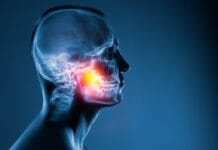
Clinically, persistent difficulty swallowing is known as dysphagia. Even if you do not have chronic dysphagia, you have likely experienced what it feels like at some point in your life. That uncomfortable sensation of food or drink accidentally entering the airway or the need to clear your throat because something feels stuck is the same feeling people with dysphagia regularly experience.1
To better understand the scope of this condition, it is important to identify how widespread dysphagia is among certain populations. The prevalence of dysphagia in the general population is estimated to be between 16% and 23%, but this increases to 27% in those 76 years and older. The prevalence is even higher in patients with neurological diseases like dementia, Parkinson’s disease, or stroke – a population dental professionals often encounter. Estimated incidences of dysphagia among those who have experienced stroke and other patient groups include:
-
- Post-stroke: 40–78%
- Long-term care residence: 50–75%
- Post-head and neck cancer treatment: 50–60%
- Hospitalized: 36%
- Multiple sclerosis: 33%
- Chronic obstructive pulmonary disease: 27%
- Learning disabilities: 5%2
As life expectancy increases, so does the prevalence of age-related conditions like dysphagia.2 The United States population aged 65 and older is projected to rise from 17% to 23% by 2050.3 This demographic shift supports the growing need for dental professionals to recognize and address age-related oral conditions that can impact oral and systemic health.2,4
Dysphagia Diets
The basic functions of chewing and swallowing play an important role in nutrition and the prevention of dental diseases. For patients with dysphagia, what we often take for granted is a daily struggle that may lead to malnutrition, weight loss, dehydration, and psychological distress. Furthermore, the inability to clear food debris effectively increases the risk of developing dental diseases and aspiration pneumonia.2,5
To mitigate the risks associated with dysphagia, dietary modifications have been developed, often referred to as texture-modified foods or dysphagia diets. The primary goal of these diets is to prevent aspiration, malnutrition, and the premature deaths associated with inappropriate food textures.5,6 Dietary recommendations are based on the severity of the condition, with a personalized diet plan tailored to the patient’s specific needs.6
The International Dysphagia Diet Standardization Initiative developed a framework to establish a recognized global standard ranging from thin liquids to regular textures. Under this system, liquids are categorized from levels 0–4 and solids from levels 3–7. Only the highest levels, 6 and 7, require mastication.5-7
While these standardized textures are intended to protect against respiratory complications, they may unintentionally compromise oral health. The increased viscosity of certain modified consistencies, particularly starch-based thickeners, often leads to increased residue retention after swallowing.2,5 The risk is not limited to those on a liquid diet – patients who are still consuming solids often cannot effectively clear the bolus. This poor oral clearance results in food stagnation, creating a high-risk environment for dental caries and periodontal disease.2
Nutritional Status and Dysphagia
While dietary modification is a strategy for managing swallowing disorders, the process requires careful consultation with nutritionists or physicians to ensure nutritional adequacy.5 This also creates a complex situation between dysphagia and the increased risk of nutritional deficiencies and dental diseases. The relationship is bidirectional where oral health affects nutrient consumption, while nutrient consumption, in turn, affects oral health.8
For example, scurvy – a condition associated with severe vitamin C deficiency – is often considered a disease of the past. However, approximately 7.1% of the U.S. population has a vitamin C deficiency, with changes in dietary habits being among the many ways that can contribute to a lack of intake in older adults. This deficiency affects oral tissues by inhibiting the synthesis of collagen, a protein necessary for connective tissue integrity.9 While vitamin C is one example, the potential impact of dysphagia can extend to a wide array of micronutrients that affect oral health.8
Given these nutritional concerns, it is no surprise that research indicates that dysphagia is strongly associated with undernourishment. Older adults with dysphagia have been found to be nearly five times more likely to be undernourished than those without dysphagia. This finding reinforces the need for dental professionals to understand nutritional intake for patients with dysphagia as part of their oral healthcare plan.10
Dental Hygiene Treatment Considerations
As with every patient encounter, a medical history review is an integral part of the dental hygiene appointment. If a patient has a history of a condition associated with dysphagia – such as stroke, multiple sclerosis, or Parkinson’s disease – clinicians should specifically ask about any difficulties with swallowing. Because patients with dysphagia cannot swallow effectively, they may experience heightened anxiety about choking or the sensation of being unable to swallow during treatment. Identifying dysphagia enables clinicians to proactively tailor treatment approaches, as modifications may be necessary to improve patient comfort and safety.2
Dental hygiene treatment considerations and modifications include:
-
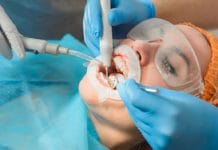
- Patient positioning: Patients may need to be treated in an upright or semi-upright position.
- Reduce water usage: Hand scaling without ultrasonics may be necessary. If ultrasonic scalers are used, consider reducing the water flow to the minimum effective level. More frequent saliva and water evacuation is often necessary.
- Anesthesia considerations: When appropriate, local infiltration is preferred over nerve blocks, as nerve blocks may further reduce the patient’s perceived swallowing ability.
- Patient communication and breaks: Allow for frequent breaks during dental care. Establish non-verbal hand signals so the patient can easily alert the clinician when they need a break.2
If a patient lacks an official diagnosis but displays signs of dysphagia during treatment – such as coughing or choking when trying to swallow – a referral to a speech-language pathologist for a swallow assessment may be beneficial.1,2
Home Care Considerations
Managing oral health for this patient population should include assessing the risk of oral diseases associated with dysphagia and modifying home care recommendations accordingly. The benefits of modified oral hygiene instructions could extend beyond oral health by potentially protecting against aspiration pneumonia.2
Home care considerations and modifications include:
-
- Home care frequency: Oral hygiene should be performed at least 3 times daily to ensure thorough removal of food debris and disruption of pathogenic biofilm.
- Specialized equipment: If necessary, suggest incorporating a suction toothbrush. A suction toothbrush can also be attached for patients who use a suction machine.
- Modified toothpaste selection: Recommend sodium lauryl sulfate-free (SLS-free) toothpaste to reduce foaming.
- Prioritize remineralization: High-concentration fluoride toothpaste (5,000 ppm) can be prescribed to help reduce caries risk associated with food stagnation and xerostomia.
- Alternative cleaning methods: For patients who supplement nutrition with high-calorie snacks, advise rinsing thoroughly with water afterward to help clear food debris.2
In Closing
Identifying the risks associated with dysphagia enables dental hygienists to implement appropriate clinical modifications and provide tailored home care recommendations. For many patients, this often begins with chair positioning during treatment. While maintaining an upright or semi-upright patient position can be physically demanding, it is a safety measure to ensure a comfortable and complication-free appointment. The same is true for reducing water usage and implementing frequent evacuation. Tailoring both clinical treatment and oral hygiene instructions can help improve the patient’s dental experience and oral health outcomes, potentially contributing to the prevention of aspiration pneumonia.
Before you leave, check out the Today’s RDH self-study CE courses. All courses are peer-reviewed and non-sponsored to focus solely on high-quality education. Click here now.
Listen to the Today’s RDH Dental Hygiene Podcast Below:
References
- Dysphagia (Difficulty Swallowing). (2023, August 20). Cleveland Clinic. https://my.clevelandclinic.org/health/symptoms/21195-dysphagia-difficulty-swallowing
- Doshi, M., Kahatab, A. Dysphagia in Adults and Its Relationship with Oral Health and Dental Treatment. JIDA. Published online May 9, 2024. https://jida.scholasticahq.com/article/117463-dysphagia-in-adults-and-its-relationship-with-oral-health-and-dental-treatment
- Mather, M., Scommegna, P. (2024, January 9). Fact Sheet: Aging in the United States. Population Reference Bureau. https://www.prb.org/resource/fact-sheet-aging-in-the-united-states/
- Aging and Dental Health. (2023, August 24). American Dental Association. https://www.ada.org/resources/ada-library/oral-health-topics/aging-and-dental-health
- Liu, T., Zheng, J., Du, J., He, G. Food Processing and Nutrition Strategies for Improving the Health of Elderly People with Dysphagia: A Review of Recent Developments. Foods. 2024; 13(2): 215. https://pmc.ncbi.nlm.nih.gov/articles/PMC10814519/
- Cichero, J.A., Lam, P., Steele, C.M., et al. Development of International Terminology and Definitions for Texture-Modified Foods and Thickened Fluids Used in Dysphagia Management: The IDDSI Framework. Dysphagia. 2017; 32(2): 293-314. https://pmc.ncbi.nlm.nih.gov/articles/PMC5380696/
- The IDDSI Framework (The Standard). (n.d.). International Dysphagia Diet Standardisation Institute. https://www.iddsi.org/standards/framework
- Nutrition and Oral Health. (2023, August 30). American Dental Association. https://www.ada.org/resources/ada-library/oral-health-topics/nutrition-and-oral-health
- Maxfield, L., Daley, S.F., Crane, J.S. (2023, November 12). Vitamin C Deficiency. StatPearls. https://www.ncbi.nlm.nih.gov/books/NBK493187/
- Saleedaeng, P., Korwanich, N., Muangpaisan, W., Korwanich, K. Effect of Dysphagia on the Older Adults’ Nutritional Status and Meal Pattern. J Prim Care Community Health. 2023; 14: 21501319231158280. https://pmc.ncbi.nlm.nih.gov/articles/PMC10071097/