
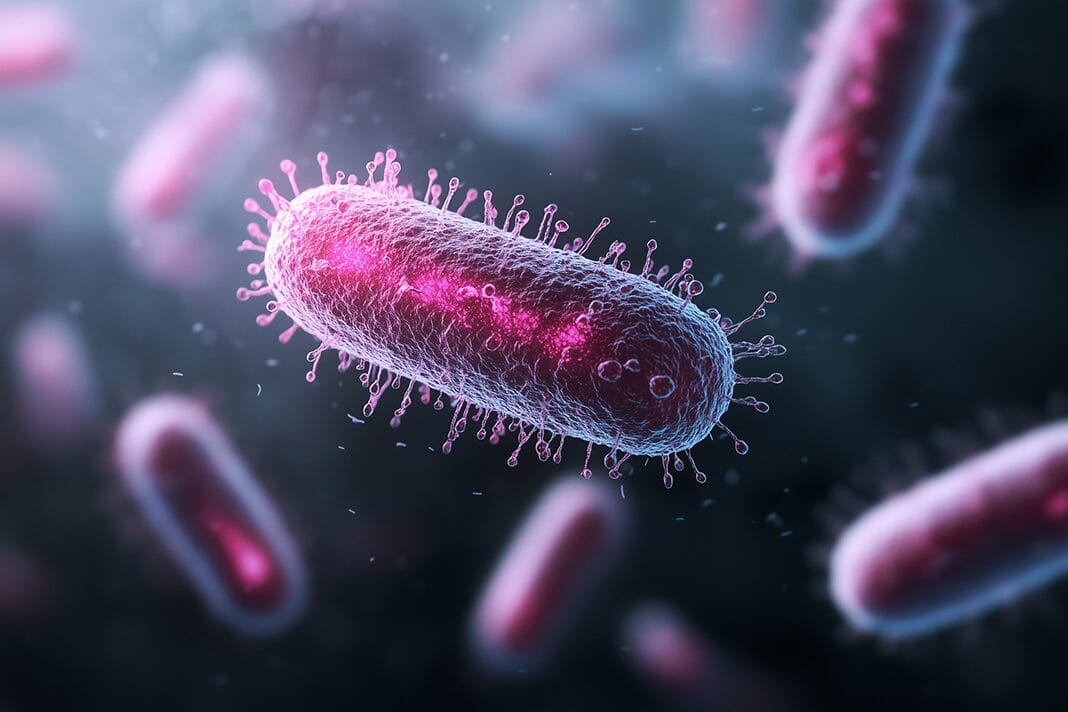
The oral microbiome is becoming increasingly central to the understanding of oral health and disease. During the past decade, oral microbiology has progressed from the study of individual pathogens to that of the entire polymicrobial community. This shift has led to the identification of over 700 species of bacteria in the oral cavity. Beyond identifying species, this change in focus has led scientists to understand that it is not the presence of any one bacterium that causes oral disease. Instead, the entire community of bacteria and their interactions with one another and the host contribute to oral disease onset and progression.1
The term “dark matter” is typically associated with cosmology – the study of the universe and its origins.1,2 In cosmology, “dark matter” refers to matter that can only be hypothesized to exist by observing gravitational effects. The term is now being adopted and used in microbiology to describe microorganisms that scientists know exist, yet cannot study due to their current inability to be cultured.1
Most dental professionals are very familiar with Porphyromonas gingivalis, Fusobacterium nucleatum, Actinomyces israelii, and Streptococcus mutans and their roles in oral health as well as the disease onset and progression.1 While these bacteria have been studied for over a century, recent advancements have allowed scientists to successfully culture previously elusive microbes.1,3
Next Generation Sequencing
Newer methods, called next-generation sequencing (NGS), allow scientists to rapidly sequence DNA and RNA from microorganisms. NGS further enables scientists to analyze entire microbial genomes, study microbial communities, and detect genetic variations quickly and accurately.4 Using these methods, researchers have identified an entirely new group of bacteria, a lineage of that group, and a new “viroid-like” element.1,3
Candidate Phyla Radiation and Saccharibacteria
Candidate Phyla Radiation (CPR) is a newly identified group of bacteria, with its first members successfully cultured in 2014 through the use of NGS. Scientists believe that CPR represents approximately 25% of all bacterial diversity on Earth. In addition to the oral cavity, CPR is found in multiple environments and animals.1
Once considered dark matter and known as TM7, Saccharibacteria is currently the only lineage from this group that has been successfully cultured. These bacteria were primarily acquired from the oral cavity for cultivation.1
Bacteria in the CPR lineage have much smaller genomes than free-living bacteria and lack a known metabolic pathway. These bacteria exhibit membrane deficiencies and are unable to produce amino acids or independently synthesize adenosine triphosphate (ATP).5 Due to these metabolic limitations, CPR bacteria are often host-dependent, acting as parasites or episymbionts – organisms that live on the surface of another species in a symbiotic relationship. This finding was interesting because most bacteria are not host-dependent, so it represents the first time episymbiotic behavior has been observed between 2 distinct bacterial species.1
Saccharibacteria’s host is Actinomyces, a bacterium associated with both periodontal health and disease. While Actinomyces does not initiate periodontitis, it contributes to its progression. Consequently, early research suggested that Saccharibacteria might be pathogenic, not only because of this association but also because they are found in higher concentrations in other inflammatory conditions, such as irritable bowel syndrome and vaginosis.1
However, a subsequent study examined how Saccharibacteria interacted with their host bacteria, Actinomyces, in periodontal disease. Researchers introduced Actinomyces into the periodontal space in a mouse model to induce an inflammatory reaction and bone loss mimicking periodontitis. The researchers then introduced Saccharibacteria, and what they observed was surprising: inflammation and bone loss decreased significantly. While the exact mechanism by which Saccharibacteria decrease inflammation and bone loss has not been identified, these bacteria are believed to regulate the inflammatory response induced by the host bacterium.1
Saccharibacteria represent only one of hundreds of CPR lineages within the oral microbiome. Beyond the oral cavity, 73 families are associated with this group, of which at least 3 are part of the human microbiome. These organisms have coevolved with humans for over 40 million years. They have been identified in dental calculus from Neanderthals, long before the introduction of processed sugar. Because Saccharibacteria and their host, Actinomyces, are easily transmitted between humans, this partnership may be a key evolutionary strategy for survival. While we know these newly identified bacteria are not passive, much remains to be understood regarding whether they can potentially negatively or positively affect human health.1
Obelisks
Obelisks are a “viroid-like” element first identified in 2024.3 Although viroids are a group of noncoding RNAs that infect plants, there has been no evidence to date that they infect humans. The RNA genome of a viroid is much smaller than any viral genome and has been described as “subviral.”6 Obelisks are described as “viroid-like” because they are not quite viruses, yet they do not fit the criteria for a viroid.3
Obelisks form a distinct phylogenetic group with no detectable sequence or structural similarity to other known biological agents – around 30,000 obelisks have been identified so far. They have been detected in nearly 7% of gut microbiome samples and 53% of oral microbiome samples. Their distribution varies depending on the anatomical site, and individual strains can persist for up to 300 days.3
Similar to Saccharibacteria, evidence indicates that at least a fraction of obelisks use a bacterium as a host for survival. One such host has been identified: Streptococcus sanguinis. A commensal bacterium found in the upper aerodigestive tract, S. sanguinis is abundant in dental biofilm and is generally associated with oral health due to its ability to modulate caries-causing bacteria. However, it may not be inherently beneficial, as it has also been associated with endocarditis.3
The current understanding of obelisks leaves many questions unanswered, making it impossible to definitively assign their transmission mode, host impact, or replication method. There is also a possibility that these elements are not viral. Instead, they may be more closely related to RNA plasmids.3 Defined as noninfectious RNA molecules that replicate independently of the host, RNA plasmids are similar to certain RNA viruses in their replication process.7
The observation that different obelisks were only seen in specific anatomic sites supports the idea that they are indeed part of the human microbiome. Consequently, diet and lifestyle choices likely affect the retention, colonization, and re-colonization of obelisks. The prevalence and diversity reported for obelisks indicate that similar, unrelated “viroid-like” RNAs are likely widespread and remain undiscovered in the human microbiome and beyond.3
In Closing
Our understanding of the world of microbes is still advancing. Newer technology and methods for identifying bacteria and viroid-like elements have improved our grasp of these tiny microbes. While the oral microbiome is becoming better understood, its role in oral health and disease has already changed how we manage patients. Yet, we still have so much more to learn.
Although the study of CPR bacteria and obelisks is still in its early stages, their potential application in dentistry is exciting. For instance, knowing that Saccharibacteria can reduce the inflammatory effects of their host bacterium suggests they could be utilized in a manner similar to phage therapy. This approach would target specific oral pathogens to reduce their inflammatory activity.1
Another potential application could be colonization resistance. This process promotes colonization of commensal bacteria to protect against opportunistic pathogens, ultimately preventing disease onset and progression. Saccharibacteria are strong candidates for colonization resistance because their known host bacteria are among the most stable colonizing microbes. Similarly, the host bacteria for obelisks are associated with oral health, making them potential candidates for this strategy as well.1,3
While CPR bacteria and obelisks are newly identified, and our understanding of their specific roles is limited, dental professionals should be aware that we now know there are episymbiotic microbes in the oral cavity. Their presence could shift our fundamental understanding of oral health, as these microbes offer potential for targeted therapy in the treatment of oral diseases.
Before you leave, check out the Today’s RDH self-study CE courses. All courses are peer-reviewed and non-sponsored to focus solely on high-quality education. Click here now.
Listen to the Today’s RDH Dental Hygiene Podcast Below:
References
- Sirko, J., Bor, B., He, X. Microbial Dark Matter and the Future of Dentistry. J Am Dent Assoc. 2025; 156(1): 81-84. https://jada.ada.org/article/S0002-8177(24)00640-8/fulltext
- Cosmology. (n.d.). Cambridge Dictionary. https://dictionary.cambridge.org/us/dictionary/english/cosmology
- Zheludev, I.N., Edgar, R.C., Lopez-Galiano, M.J., et al. Viroid-Like Colonists of Human Microbiomes. Cell. 2024; 187(23): 6521-6536.e18. https://pmc.ncbi.nlm.nih.gov/articles/PMC11949080/
- Satam, H., Joshi, K., Mangrolia, U., et al. Next-Generation Sequencing Technology: Current Trends and Advancements. Biology (Basel). 2023; 12(7): 997. https://pmc.ncbi.nlm.nih.gov/articles/PMC10376292/
- Naud, S., Ibrahim, A., Valles, C., et al. Candidate Phyla Radiation, an Underappreciated Division of the Human Microbiome, and Its Impact on Health and Disease. Clin Microbiol Rev. 2022; 35(3): e0014021. https://pmc.ncbi.nlm.nih.gov/articles/PMC9491188/
- Hao, J., Ma, J., Wang, Y. Understanding Viroids, Endogenous Circular RNAs, and Viroid-Like RNAs in the Context of Biogenesis. PLoS Pathog. 2024; 20(6): e1012299. https://pmc.ncbi.nlm.nih.gov/articles/PMC11210808/
- Clark, D. P., Pazdernik, N. J., & McGehee, M. R. (2019). Plasmids. In Molecular Biology (3rd ed., pp. 712-748). Academic Cell.