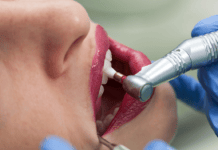


I did it. I passed all the exams and completed all the competencies. Finally, after four years of relentless pursuit and sleepless nights, I have my license number in hand. That first day on the job will be one that I will never forget.
Many hygienists I have spoken with have commented similar feelings. The pervasive and persuasive self-talk that goes something like this: “Am I ready for this? What if I forget something? Will I even know where to start? Will my patients know I am a new grad? If they ask me, what do I say? What if I forget how to use a probe?”

A sense of delight and accomplishment quickly calmed those first-day jitters after the first real-life patient experience. And, the funny thing was, my first week as a dental hygienist couldn’t have been more packed with memorable encounters and reminders that what I do matters. Two days into my new career, I had sent a patient to the ER for a hypertensive crisis, had to educate a very tenured patient at the practice about their chronic and very active periodontal condition, and had someone give me dirty looks and walk out on me in the waiting room because I wasn’t “their” hygienist.
Despite these noteworthy conversations, I found my job more fulfilling than ever. I was elated to have the pleasure of seeing six to eight patients daily without stopping for faculty approval (insert sigh of relief here). I knew I was where I needed to be and doing what I was meant to do.
However, just two weeks later, I began to experience very new and quite painful lower back pain at the end of my workdays. I noticed the tension building up in my nondominant hand, and I became acutely aware of just how emotionally draining my job was. I loved being a dental hygienist, but how was it that I was feeling so much pain in such a short time? I mean, I had just started my career two weeks ago.

Taking a Personal Inventory
Dental professionals are at high risk of developing musculoskeletal disorders, with the prevalence reported among dentists as high as 81% and 96% among dental hygienists.1 It seems that very few practitioners leave this profession free from pain.
As a seasoned yoga instructor, I began speaking to myself the way I would coach any of my clients, starting with a personal inventory. Was I maintaining ergonomic positioning during patient care? Where could I improve during the day so I don’t come home mentally and emotionally drained and physically aching? How long has it been since I’ve gotten on my mat to work out the stress and body tightness after a long day? (Truthfully, it had been a hot minute.) Was I still incorporating those wrist and neck yoga stretches between patients as I had in school?
Yoga postures and exercises have been shown to decrease perceived stress and serum cortisol levels, and increase the sense of well-being and overall relaxation.2 A little yoga is just what I needed.
In excruciating pain and with much reluctance and, frankly, quite a bit of skepticism for a yoga teacher, I crawled onto my mat and told myself to take it slow. I proceeded to do two simple movements as slowly as possible while focusing on my breath and my body. Downward-facing dog, roll to plank, roll back up to downward-facing dog, roll slowly back to plank, and child’s pose.
I repeated these simple movements for as long as possible, taking sporadic breaks in child’s pose. It was wild, but my back pain began to melt away. I had a good night’s rest, and by morning, I was back at work without any pain. This yoga stuff works.
3 Tips to Prioritize Self-Care
As a new grad, there was so much to balance in those first few days and months that the last thing on my mind was ergonomics or doing some yoga poses at the end of a very long, full day. However, if I had known that my sacrifices in ergonomics were going to cause me such horrible pain, I might not have bent my head that way to see the distal lingual of #7. If I had realized that just two simple movements could have provided me with some early prevention of aches and pains, I probably would have taken the five minutes to do them.
It did feel a little bit like an “I told you so” moment as I heard the voices of my instructors in my head, reminding me to prioritize my body positions during treatment.
Below is my humble advice for all those recent graduates and the fresh new grads to come.
1) Take your time
Take a deep breath or two before grabbing your patient from the waiting room. Take your time bringing them back to the operatory. I know it might seem like you need to go 100 miles per hour, but these moments will help you appear calm and collected, even if you don’t feel that way.
Focusing on exactly what you are doing at that moment can help you stay present, make fewer mistakes, and perform better instrumentation. When I slowed down, I received lovely compliments about how gentle I was.
As a side note, not one patient ever asked if I was “new,” and they still haven’t. They all assumed I had been doing this for years.
2) Microbreaks, microbreaks, microbreaks
Stretch your neck behind the patient while taking vitals. Stretch your wrists when the doctor comes in for an exam as you step away from the chair. Perform a quick heart opener stretch, such as a standing cactus arm pose, after you flip your room for the next patient. Any one of these moments will benefit you tremendously.
If you can manage to fit all three of them in, you are a rockstar. I am still a work in progress, but who isn’t? And remember, no one is perfect.
3) Be the mindful clinician, not just a “tooth cleaner”
Be mindful of yourself as a clinician and don’t sacrifice your body to just be a “tooth cleaner.” To help maintain ergonomic positioning, I do these three things at least once while treating every patient:
- Assess my grip on my nondominant hand and soften it.
- Pause and check the position of my head in relation to my spine.
- Double-check the fulcrum of my dominant hand to see if there is a more supportive option that will help reduce hand fatigue and strain.
In Closing
When we sacrifice our bodies and minds to save a few minutes or get a patient out early, it could increase the risk of burnout or developing musculoskeletal disorders.1,3 It may also send the message that we are easily replaceable. A study on compassion fatigue and burnout among dental hygienists found that more than two-thirds of respondents had considered leaving the profession.3 This is alarmingly high.
Yet our unique skill set is in demand now more than ever. After working just a few short months, I could already see how I was positively impacting my patients’ oral health and overall well-being. As dental hygienists, we are among the few healthcare professionals specializing in disease prevention and trained to recognize early oral signs of numerous systemic diseases. Your career is worth protecting.
Before you leave, check out the Today’s RDH self-study CE courses. All courses are peer-reviewed and non-sponsored to focus solely on pure education. Click here now.
Listen to the Today’s RDH Dental Hygiene Podcast Below:
References
- Willie, T.M., Fang, Y., Baker, N.A., et al. Environmental Factors Increasing the Risk of Poor Posture in Dental Hygiene Students. J Dent Educ. 2025; 89(9): 1310-1318. https://pmc.ncbi.nlm.nih.gov/articles/PMC12353362/
- Periasamy, P., Suganthi, V., Kamath, M.G., et al. The Effect of Simplified Kundalini Yoga (SKY) Practices on Stress and Serum Cortisol Levels Among Medical Students. J Pharm Bioallied Sci. 2025; 17(Suppl 2): S1924-S1926. https://pmc.ncbi.nlm.nih.gov/articles/PMC12244564/
- Knutt, A., Boyd, L.D., Adams, J.L., Vineyard, J. Compassion Satisfaction, Compassion Fatigue, and Burnout Among Dental Hygienists in the United States. Journal of Dental Hygiene. 2022; 96(1): 34-32. https://jdh.adha.org/content/96/1/34.full