

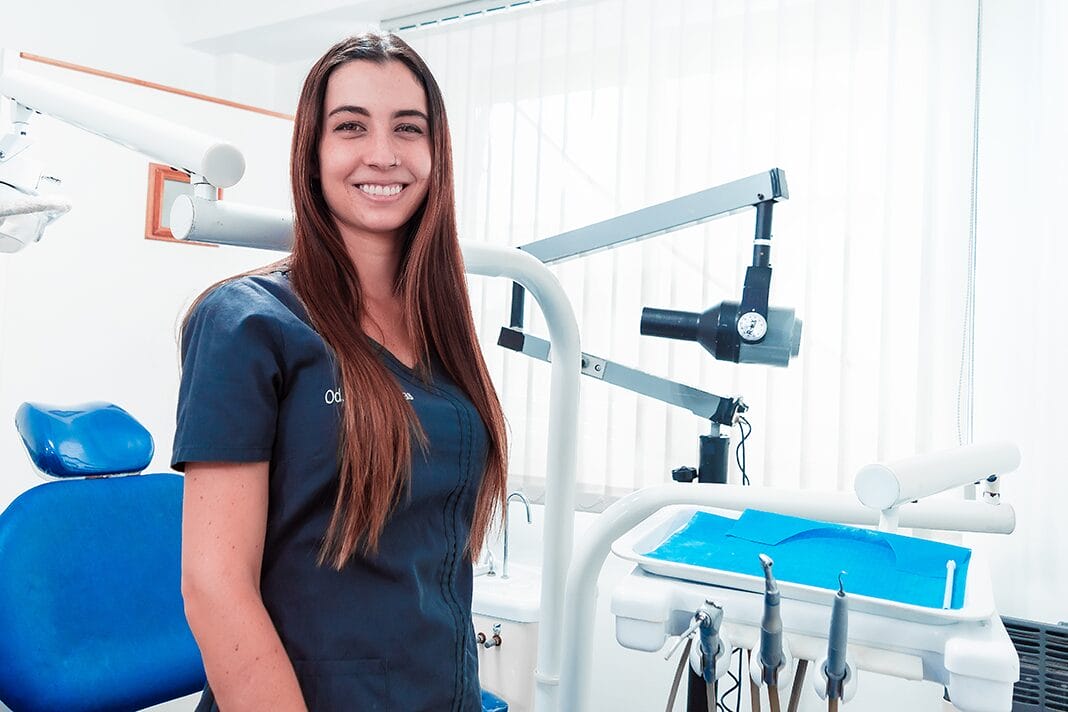
Congratulations! You’ve completed your schooling, earned your degree in dental hygiene, and have been licensed. Dentistry is a fulfilling and in-demand field that can provide many opportunities for personal and professional growth. While you may be feeling a bit uneasy or overwhelmed when working alongside more experienced dental hygienists, the truth is, we need each other. Seasoned hygienists can provide mentorship to new hygienists, and new grads can bring a fresh perspective to experienced hygienists.
Here are four tips to consider as you begin your new dental hygiene career.
1) Don’t let anyone treat you poorly
You may not get your dream job right away, and that’s okay. What’s not okay is having an employer or coworker treat you unfairly. No job is perfect, and not everyone gets along well, but it is important to create boundaries for acceptable interactions.
For example, if a dentist speaks to you unprofessionally and puts you down in front of a patient instead of pulling you aside to speak with you privately, that’s a huge red flag. You can have a discussion where you explain why a certain behavior was upsetting, but if you notice a pattern of poor treatment, you might want to start looking for another office. There is no need to put up with a negative environment.
I found myself in a negative workplace and made myself wait six months to see if it got better because I was afraid switching offices too quickly would look bad on my resume. Instead, I just made myself miserable for six months and postponed the inevitable. I needed to leave that office.
New grads may feel like their employment options are limited, but dental hygienists are in constant demand with new positions becoming available all the time. Listen to your gut when deciding whether to change offices. While some issues are fixable, such as being short-staffed or lacking organization, an unappreciative, rude, or condescending employer might be harder to fix.
2) Don’t let the bad habits of others lower your standards
During the hygiene program, we have instructors who guide us and ensure we adhere to best practices and the highest standards of patient care. After graduation, it is up to us to continue meeting that level of care.
However, some practitioners may start to cut corners because of the pressure of production and the constant time constraints of appointments. Moving from longer appointment times in school to shorter appointments in practice is certainly an adjustment. While building up your speed and efficiency, don’t let outside forces lead you to cut corners.
For example, just because no one in your office takes the time to perform a thorough intraoral and extraoral exam doesn’t mean you should follow suit. Similarly, if a patient has high blood pressure readings that contraindicate treatment, don’t let your dentist or office manager talk you into proceeding anyway.
As a new graduate, the desire to please your employer is especially high, but you must hold your ground and be an advocate for your patients. You also need to protect yourself as a practitioner. By staying true to your high level of clinical care, you can be a good example to your team and help lift them up to your standards.
3) Don’t burn bridges
It’s good to have boundaries, but it’s also important to have tact. Even in big cities, the dental community is relatively small and interconnected. Since many dental professionals know one another, it’s typically best to avoid burning bridges.
I’ve seen a surprisingly high number of hygienists not show up for their temp shifts or working interviews. Others have quit with no notice. Even if you’re sure you never want to work at an office again, try to stay on good terms with everyone.
Be professional in your interactions with colleagues, even if they don’t extend you the same courtesy. You never know who is going to pop back up in your career.
4) Get everything in writing
As hygienists, we know the importance of thorough documentation in patient records. “If it wasn’t documented, it didn’t happen” is a common phrase in healthcare. So, why should we settle for verbal discussions when it comes to the terms of our employment?
I’ve seen numerous posts in online dental hygiene forums about employers who made promises, but failed to deliver. Some examples include renegotiation of salary after a probationary period, bonus structures, and the timing of when new instruments will be provided. I highly recommend written documentation of any employer/employee agreements.
When an offer of employment is extended to you, whether over the phone or in person, let the employer know you are interested but would like a written offer for your records. This is standard practice in many industries, but dental offices often still operate under verbal agreements.
A written agreement helps both parties remember exactly what they agreed on. While it doesn’t guarantee an employer will honor their word, it provides proof of the specific terms of hire. As your employment continues, request an email or written memo of any changes to your employment agreement or any promises made by your employer.
In Closing
Dental hygiene programs do an excellent job of teaching students to provide exceptional patient care, but the learning doesn’t stop at graduation. New graduates must navigate office dynamics and integrate into the workforce. It might take time to find your perfect job, and you may end up taking a less-than-ideal job in the meantime, but you can still protect your interests and properly care for your patients. Know your worth, hold your ground on your clinical standards, and always conduct yourself professionally. Here’s to a successful and rewarding career!
Before you leave, check out the Today’s RDH self-study CE courses. All courses are peer-reviewed and non-sponsored to focus solely on high-quality education. Click here now.
Listen to the Today’s RDH Dental Hygiene Podcast Below: