
There are hundreds of Commission on Dental Accreditation (CODA) accredited dental hygiene programs in the United States.1 While these programs are scattered across the country, many of them are in more urban areas, typically making them better known and attended. There are a number of dental hygiene programs, however, located in smaller, rural communities that offer valuable experiences. They also play an important role in helping address oral health disparities and limited access to care.
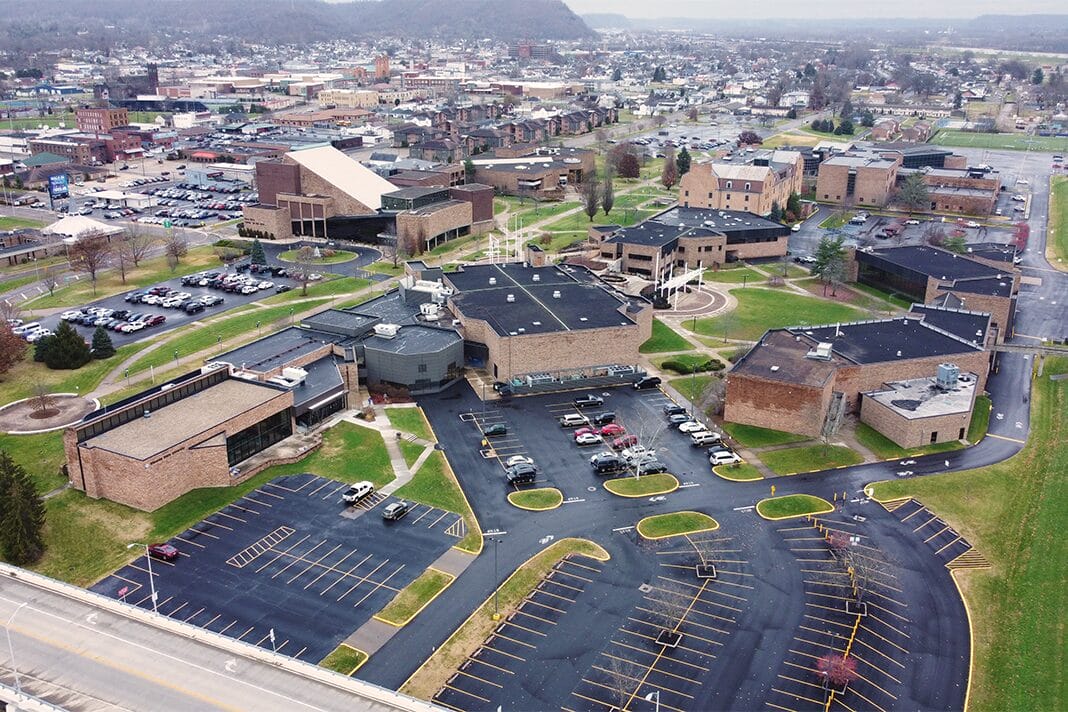
When I applied in 2023, two dental hygiene programs within driving distance of my home did not have a waiting list. I applied to both programs – one was in a metropolitan area, and the other I was ultimately accepted into was located rurally. Although I grew up in a small town, I wasn’t aware of the benefits of rural colleges and universities until I attended Shawnee State University in Portsmouth, Ohio. I didn’t realize it at the time, but this decision would expose me to a variety of diverse clinical and educational opportunities.
Benefits of Attending a Rural Dental Hygiene Program
One of the multiple benefits of attending a rural dental hygiene program is the patient population students encounter and the services they can provide to the community. Rural areas have historically faced limited access to care, and this is still a challenge today. Better access to care can help improve awareness about oral health and positively affect oral health outcomes.2 Having dental hygiene programs in these areas gives students valuable experience treating patients with diverse oral health needs, while also bringing services to people who may struggle to access care.
Dental hygiene programs also offer the opportunity to provide affordable periodontal care within rural communities. Residents in these areas often have to travel long distances to access dental care because most providers practice in urban areas. Further, financial constraints and limited insurance coverage create additional barriers to care.2 Since periodontists are seldom located in rural areas and private practice costs can be prohibitive, dental hygiene programs can provide affordable periodontal therapy and maintenance visits, while allowing students to learn how to treat and manage periodontal disease.
During my time in the hygiene program, some patients had been receiving treatment from students for years – in some cases, for over a decade – care they may not have received otherwise. This consistent care gives students the chance to educate patients on oral health while observing the progression and maintenance process of periodontal disease.
Another benefit of rural dental hygiene programs is the opportunity for community outreach. Given the challenge of access to care in rural areas, public oral health education is crucial. While in my hygiene program, I provided education throughout the community in various ways, including visiting schools in the Portsmouth area. We created activities for elementary students and taught children about hygiene techniques, proper nutrition, and the importance of maintaining their oral health. Providing education and improving oral health awareness, especially early on, can help positively affect long-term health outcomes for the community.
In Closing
While rural dental hygiene programs may not be as well-known as those in urban and metropolitan areas, they offer many advantages for students and benefits to the community. These programs provide students with unique educational opportunities and hands-on clinical experience treating patients with complex oral health needs, while helping improve oral health awareness and bringing services to those with limited access to care. I’m grateful to have had the opportunity to attend a rural dental hygiene program.
Before you leave, check out the Today’s RDH self-study CE courses. All courses are peer-reviewed and non-sponsored to focus solely on high-quality education. Click here now.
Listen to the Today’s RDH Dental Hygiene Podcast Below:
References
- Search for Dental Programs. (2026). Commission on Dental Accreditation. https://coda.ada.org/find-a-program/search-dental-programs
- Martin, P., Santora, M., Heaton, L.J., et al. (2023, November). Still Searching: Meeting Oral Health Needs in Rural Settings. CareQuest Institute for Oral Health. https://carequest.org/wp-content/uploads/2025/10/CareQuest_Institute_Still-Searching_11.6.23.pdf